Unlocking Efficiency: How Marketing Automation Solutions Transform Businesses
In today’s fast-paced market, teams are under pressure to generate more results with fewer resources. The constant juggle of planning campaigns, creating content, managing social media, optimizing SEO, and following up with clients can slow down even the most established brands. Studies show that the average marketing professional spends nearly 40% of their time on repetitive administrative tasks instead of high-value strategic work that drives growth. That’s why more organizations are turning to marketing automation—so they can save time, reduce errors, and deliver consistent results at scale.

At Black Label Technology, we’ve seen firsthand how powerful the right automation strategy can be. Our all-in-one platform, Markit Magnit, helps teams automate critical marketing activities—social media management, content creation, email campaigns, SEO workflows, and client follow-ups—so you can get more done without adding chaos to your day. Our clients routinely cut manual workload by up to 60% while increasing lead generation by 45% within the first six months. In this guide, we’ll show you how automation streamlines your operations, which features truly matter, and how to get started without disrupting your current routine.
What “marketing automation” really means today
Marketing automation is the shift from manual, repetitive execution to intelligent, rule-based workflows that quietly run in the background. It doesn’t replace the human touch—it protects it. By offloading routine tasks to automation, your team can focus on strategy, creativity, and building meaningful client relationships.
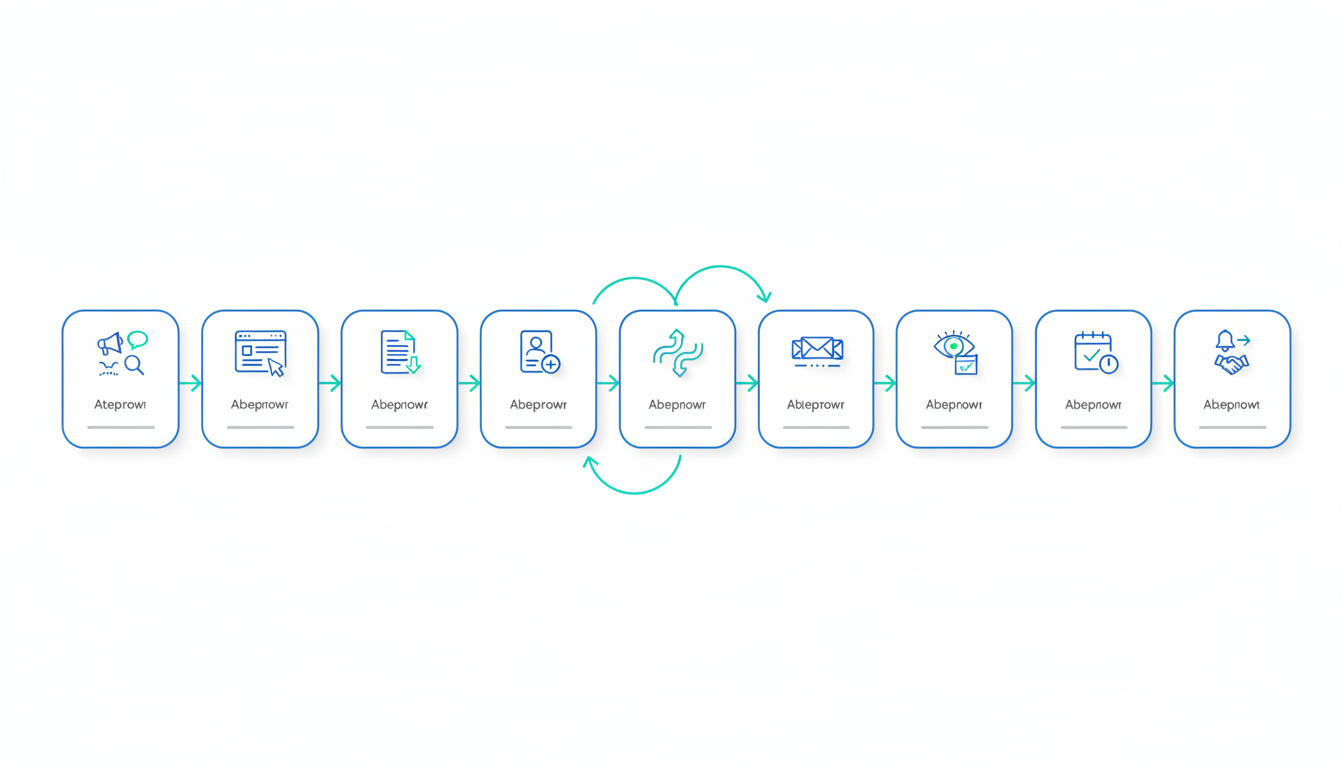
Think of it as having an ultra-organized virtual assistant that never sleeps, never forgets a follow-up, and always executes your plan on schedule. For example, when a prospect downloads your whitepaper at 2 AM on a Sunday, automation can instantly send a personalized thank-you email and enroll them in a nurture sequence that delivers valuable content over the next few weeks—without anyone on your team lifting a finger.
Modern marketing automation often includes:
- Content planning and distribution across multiple channels from a single hub
- Social media scheduling and monitoring with engagement tracking
- Email segmentation and behavior-based drip campaigns
- SEO workflows, including metadata optimization and content optimization tasks
- Client follow-ups and reminders triggered by specific actions or timelines
- Reporting, attribution insights, and continuous improvement loops that surface what’s working
When these pieces work together, they create a reliable marketing engine that keeps running—even when your calendar is packed. According to Salesforce, companies using marketing automation can see significantly higher volumes of qualified leads than those relying solely on manual processes.
Why marketing automation solutions are a business advantage now
With new platforms, channels, and algorithms appearing constantly, your core goals remain the same: maintain a healthy pipeline, deepen customer relationships, and drive measurable growth. The challenge is that manual execution alone can’t keep pace with the complexity and speed of modern marketing.
Consider a typical week for a marketing team: scheduling 15–20 social posts, sending 3–5 email campaigns, following up with dozens of leads, refreshing website content for SEO, and reviewing performance across every channel. Done manually, that can represent 25–30 hours of work each week—a workload that often leaves little room for strategy or experimentation.
Marketing automation solutions change this equation by:
- Saving time at scale: Batch scheduling, automated workflows, and reusable templates free up hours every week. For example, you can schedule a full month of social content in a couple of hours instead of spending time posting every day.
- Reducing human error: Missed follow-ups and inconsistent messaging damage trust. Automation ensures promised emails, reminders, and touchpoints always go out on time.
- Improving client relationships: Timely, personalized interactions—such as renewal reminders, birthday messages, and periodic check-ins—happen automatically, even during your busiest seasons.
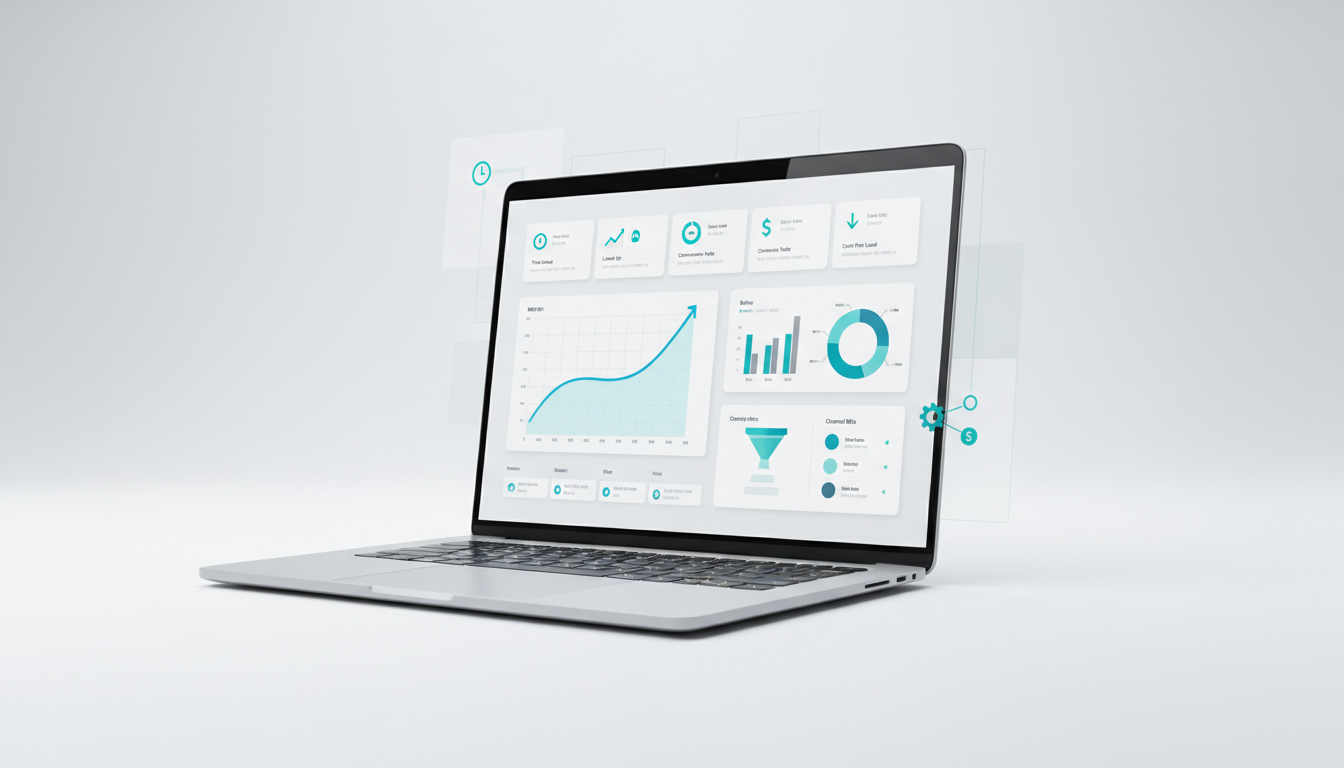
- Increasing visibility into what works: Centralized dashboards reveal which campaigns, messages, and channels drive the best results so you can double down on what’s working.
- Stretching budgets further: By automating repetitive work, your team can focus on higher-value initiatives without increasing headcount.
The result is predictable execution and scalable output. Many organizations see marketing overhead decrease while revenue growth and lead volume trend upward once automation becomes part of their operating system.
The features that actually move the needle
Not every automation feature is essential. The real value comes from capabilities that deepen insights, improve consistency, and make it easier to act on data. Here’s where automation truly pays off—and how Markit Magnit delivers those benefits.
Unified data and smart segmentation
Strong campaigns start with accurate, centralized data. When your audience insights, behaviors, and content are spread across disconnected tools—CRMs, email platforms, social analytics, website tracking—it’s nearly impossible to create a cohesive, personalized experience.
Markit Magnit brings your data together so you can:
- Organize contacts into logical segments (prospects, clients, industries, lifecycle stages) that update automatically based on behavior
- Trigger workflows when users take specific actions, like downloading content or visiting key pages
- Maintain consistent messaging across channels while tailoring content for each segment
- Track the customer journey from first touch to conversion and retention
Imagine a software company with segments for “Free Trial Users,” “Paid Subscribers,” and “Enterprise Prospects.” Trial users receive onboarding tips, paid subscribers get advanced best practices, and enterprise prospects see ROI-focused case studies. The same platform coordinates all of this, ensuring every audience gets messages that feel relevant, not generic.
Scalable social media management
Social media works best when you show up consistently. But posting multiple times per week across several platforms quickly becomes a full-time job if done manually. For many teams, social is the first thing to slip when workloads spike.
With Markit Magnit, you can:
- Schedule posts across multiple platforms from a single calendar
- Reuse and repurpose top-performing content with intelligent suggestions
- Monitor engagement and automatically flag posts that need a response
- Build content series and campaigns that roll out over weeks or months
- Analyze performance to identify which formats, topics, and times work best
One marketing team reduced their weekly social media management time from eight hours to just two—while increasing posting frequency and engagement—simply by centralizing and automating their workflows.
Streamlined content creation and distribution workflows
Content fuels every channel, but without structure, it’s easy to underutilize your best work. A single blog post can be repurposed into social posts, email content, LinkedIn articles, video scripts, and more—but only if there’s a workflow to support that process.
Markit Magnit helps you turn “create, review, publish” into a repeatable, efficient system:
- Build content calendars that define topics, owners, deadlines, and channels
- Draft, review, and approve content in one place with version control
- Automatically distribute approved pieces to social, email, and other channels
- Track performance across every distribution point from a unified dashboard
- Identify top-performing content to repurpose and amplify
For example, when you publish a blog post on “5 Digital Marketing Trends,” the platform can automatically create social posts for each trend, generate an email highlight, and queue LinkedIn content—while tracking which pieces resonate most.
Effective email campaigns and automated follow-ups
Email continues to deliver one of the highest returns of any marketing channel—but only when it’s timely, relevant, and consistent. Manually managing complex nurture sequences, reminders, and follow-ups across hundreds or thousands of contacts is nearly impossible.
With Markit Magnit, you can:
- Design segmented nurture journeys based on behavior, interests, and lifecycle stage
- Set up autoresponders for key actions like form fills, registrations, or downloads
- Personalize messages with details beyond first name, including company and past interactions
- A/B test subject lines, times, and formats to automatically optimize performance
- Adjust sending frequency based on engagement, reducing list fatigue
A B2B provider, for example, can build different email paths for small businesses and enterprise accounts—each with messaging tuned to their priorities—while the platform handles delivery, timing, and follow-ups behind the scenes.
Practical SEO optimization
SEO matters most when it informs your content and consistently supports organic growth. The challenge is keeping up with all the moving parts: meta tags, internal links, keyword mapping, content freshness, and more.
Markit Magnit helps you build SEO into your everyday workflows:
- Organize optimization tasks—like metadata updates and internal linking—into manageable checklists
- Plan content around search intent and target keywords from a centralized view
- Stay on track with an SEO-friendly publishing cadence
- Monitor rankings and flag content that needs a refresh
- Automatically generate SEO-friendly titles and meta descriptions based on your content
- Suggest internal links as new content goes live
Over time, these incremental improvements compound, helping your content rank higher and attract more qualified visitors—without requiring constant manual oversight.
Reporting and continuous improvement
To improve results, you need more than raw data—you need clear insights. Pulling metrics from multiple tools into spreadsheets is time-consuming and often leads to reactive rather than proactive decision-making.
Markit Magnit’s dashboards enable you to:
- Track engagement across social, email, and web in one view
- Identify top-performing topics, formats, and timing patterns
- Spot when segments are becoming saturated and need new messaging
- See where prospects drop off in your funnel and where they convert
- Receive automated reports and alerts highlighting significant changes
As patterns emerge, you can refine campaigns, adjust journeys, and double down on the tactics that consistently move the needle.
How Markit Magnit simplifies your day: A practical walkthrough
Imagine you’re the marketing lead for a growing professional services firm. It’s Monday morning, and you’re responsible for a product update announcement, a webinar promotion, and a re-engagement push to dormant leads. Here’s how that same day looks with Markit Magnit running in the background:
- 9:00 AM: You open your content calendar and see that the week’s social posts—tips, client stories, and thought-leadership—are already drafted and scheduled. Posting times are optimized based on past engagement, so you simply review, make small edits, and approve.
- 9:30 AM: You set up a segmented webinar email campaign. Existing clients receive messaging that focuses on advanced insights and exclusive Q&A access, while prospects get educational content addressing common objections. Follow-up reminders and post-event nurture paths are built into the workflow.
- 10:30 AM: You update a blog post tied to your product update. Markit Magnit guides you through refreshing metadata, adding internal links, and scheduling a fresh promotion. The blog automatically joins your content distribution queue.
- 11:15 AM: You repurpose the blog into social posts, a LinkedIn article, and a short video script. The platform routes each asset through approvals and schedules publishing across channels.
- 1:00 PM: You review a “Dormant Leads” segment—contacts who haven’t engaged in 90+ days—and launch a three-email re-engagement sequence featuring an industry report, a success story, and a consultation offer. The system manages all follow-ups and tags responses.
- 2:30 PM: You configure the webinar registration workflow. New registrants get automatic confirmations, calendar invites, reminder emails, and a post-webinar follow-up path.
- 3:00 PM: You scan your dashboard and see early results from the morning’s email send. A benefit-focused subject line significantly outperforms your baseline, so you schedule an A/B test to build on that learning.
- 4:00 PM: You receive an alert that a high-performing blog post is slipping in search rankings. You quickly update it with new examples and insights, and the platform promotes it again across your channels.
By day’s end, you’ve launched and optimized campaigns across email, social, content, and events—without scrambling or reinventing the wheel. Most of your time went into decisions and creative direction, not repetitive execution.
Implementation playbook: From quick wins to scaling up
You don’t need to overhaul your entire marketing operation overnight to benefit from automation. The most successful teams start small, prove value quickly, and expand in stages.
Phase 1: Foundation and Quick Wins (Weeks 1–4)
- Map your repetitive tasks:
- List recurring activities: social posts, newsletters, onboarding emails, blog promotions, follow-ups, and lead qualification steps.
- Estimate how long each task currently takes and how often it occurs.
- Prioritize based on time spent and impact once automated.
- Start with one or two high-impact workflows:
- Focus on processes that consistently cause bottlenecks—such as social scheduling or lead follow-up.
- Keep early workflows simple so the team can see quick wins and build confidence.
- Build clean segments:
- Group contacts by lifecycle stage, interest area, or service line.
- Define clear rules for how contacts move between segments.
- Begin with a manageable set of segments and refine over time.
Phase 2: Expansion and Optimization (Weeks 5–12)
- Standardize content and templates:
- Create reusable templates for emails, landing pages, and social posts.
- Align on tone, voice, and branding so the team can move faster without sacrificing quality.
- Build a shared library of approved images, copy blocks, and CTAs.
- Measure, learn, refine:
- Use automated reports to monitor performance weekly.
- Adjust timing, messages, and formats based on real data.
- Document what works so it can be scaled and repeated.
Phase 3: Advanced Automation (Months 4–6)
- Layer on advanced journeys:
- Introduce conditional logic so journeys adapt based on behavior.
- Implement multi-step nurture sequences with personalized paths.
- Add lead scoring and automated routing to the right team members.
- Cross-channel integration:
- Connect email, social, and content into unified campaigns.
- Maintain consistent messaging across all touchpoints.
- Use attribution tracking to understand which channels drive conversions.
Black Label Technology supports you at every stage—from identifying high-impact opportunities to avoiding common missteps—so your automation strategy is scalable, sustainable, and aligned with your growth goals.
Common pitfalls to avoid (and how to sidestep them)
Even the best tools can create headaches if they’re implemented without a plan. Here are common pitfalls we see—and how to avoid them:
- Automating chaos: If your existing processes are inconsistent, automation will amplify the confusion. Document and standardize your workflows before you automate them.
- Over-automating too quickly: Trying to automate everything at once often leads to complex, fragile systems. Start small, refine, then scale.
- Forgetting the human element: Automation should augment relationships, not replace them. Leave space for personal outreach, especially with high-value accounts.
- Neglecting data hygiene: Inaccurate or outdated data undermines your efforts. Implement ongoing data cleaning and validation before you launch major workflows.
- Setting and forgetting: Automation isn’t a one-time project. Review workflows regularly to ensure they still reflect your strategy, audience, and offers.
- Ignoring compliance: Ensure your automated communications comply with regulations like CAN-SPAM and GDPR to protect your reputation and avoid penalties.
When implemented thoughtfully, marketing automation doesn’t just make your team more efficient—it becomes a growth engine that consistently turns strategy into measurable results.